
Can Ashwagandha Boost Your Fitness Journey?

 5 Aug 2023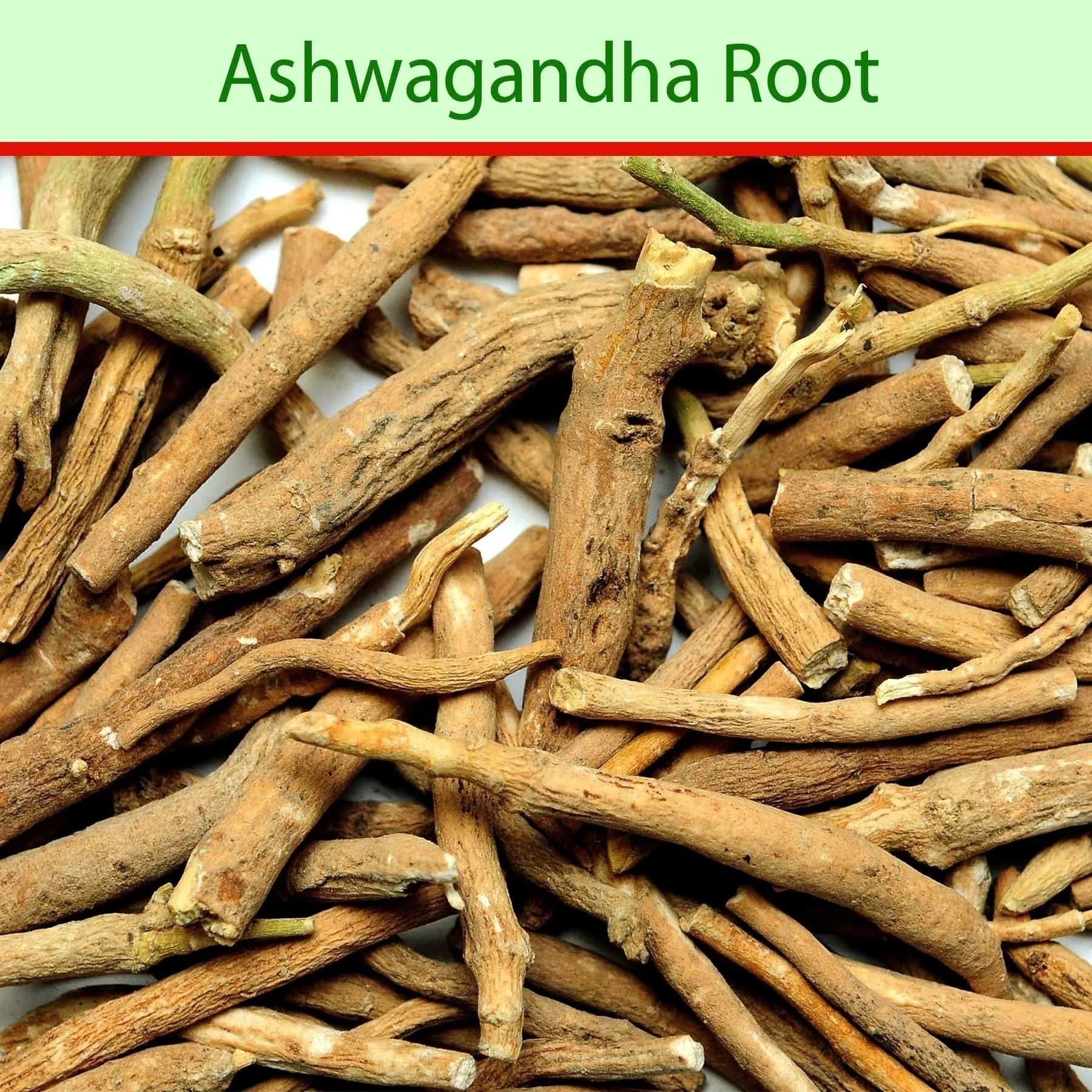

Embarking on a fitness journey requires dedication, discipline, and a well-rounded approach. While regular exercise and a balanced diet are crucial, certain natural supplements can complement your efforts and optimize results. Ashwagandha, an ancient herb with a rich history in Ayurvedic medicine, has emerged as a potential aid in the realm of fitness. But can Ashwagandha truly boost your fitness journey? In this blog post, we will explore the science behind Ashwagandha and its potential benefits for fitness enthusiasts.
Unveiling Ashwagandha's Impact on Fitness
Enhancing Energy and Stamina

Ashwagandha has been traditionally used as an energy-enhancing herb due to its adaptogenic properties. Adaptogens help the body adapt to stress and fatigue, promoting increased endurance during physical activity. Studies suggest that Ashwagandha can enhance aerobic capacity, improve muscular strength, and delay the onset of fatigue.
Supporting Muscle Recovery and Growth

Intense workouts can cause muscle damage, leading to soreness and reduced recovery time. Ashwagandha has been found to possess anti-inflammatory and antioxidant properties, which may aid in reducing exercise-induced muscle damage and inflammation. Moreover, it may promote muscle recovery and support muscle growth, making it a potential ally for fitness enthusiasts looking to maximize their gains.
Balancing Cortisol Levels

Strenuous exercise can temporarily elevate cortisol levels, a stress hormone that, when chronically elevated, can hinder muscle growth and impede fat loss. Ashwagandha has been shown to help regulate cortisol levels, preventing excessive spikes and aiding in maintaining a healthy balance. By managing cortisol, Ashwagandha may contribute to a more favorable environment for muscle building and overall fitness progress.
Additional Benefits of Ashwagandha for Fitness
Stress Reduction and Mental Well-being

Consistent exercise routines can place stress on the mind as well as the body. Ashwagandha's adaptogenic properties help the body cope with stress, promoting mental resilience and overall well-being. By reducing stress and anxiety, Ashwagandha may enhance motivation, focus, and adherence to fitness goals.
Weight Management
Maintaining a healthy weight is often a key objective for fitness enthusiasts. Ashwagandha has shown potential in supporting weight management efforts. Studies suggest that it may help regulate appetite, reduce food cravings, and support healthy metabolic function. By promoting a balanced weight, Ashwagandha can contribute to overall fitness goals.
Conclusion:
In conclusion, Ashwagandha holds promise as a natural supplement that can potentially boost your fitness journey. Its ability to enhance energy and stamina, support muscle recovery and growth, balance cortisol levels, reduce stress, and aid in weight management make it an appealing choice for fitness enthusiasts seeking additional support. Incorporating Ashwagandha into your fitness regimen may complement your efforts and optimize your results. Remember, while Ashwagandha shows potential benefits, it is essential to consult with a healthcare professional before adding any new supplements to your routine. They can provide personalized advice based on your specific needs, health conditions, and any potential interactions with other medications. So, can Ashwagandha boost your fitness journey? While it's not a magical solution, the scientific evidence suggests that it has the potential to enhance energy, support muscle recovery, balance cortisol levels, reduce stress, and aid in weight management. By integrating Ashwagandha into your fitness routine, you may experience improved performance, faster recovery, and greater overall well-being on your fitness journey.
References:
Kaurav, B. P., et al. (2020). Journal of Traditional and Complementary Medicine, 10(6), 551-558.
Choudhary, D., et al. (2015). Journal of the International Society of Sports Nutrition, 12(Suppl 1), P42.
Wankhede, S., et al. (2015). Journal of the International Society of Sports Nutrition, 12(Suppl 1), P57.
Chandrasekhar, K., et al. (2012). Journal of Dietary Supplements, 9(3), 183-193.
Lopresti, A. L., et al. (2019). Nutrients, 11(5), 1004.